1. What Is Art Reproduction Photography?
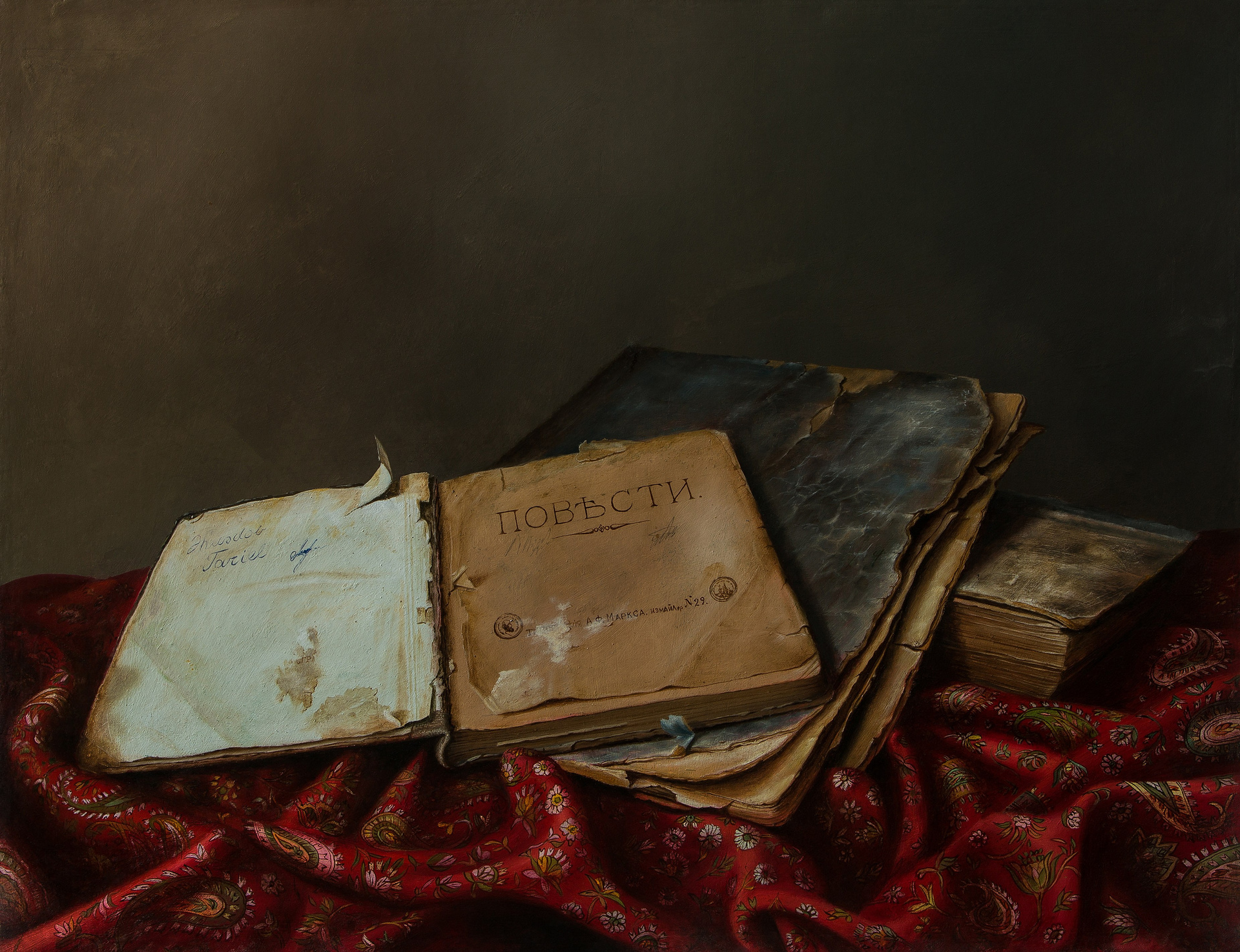
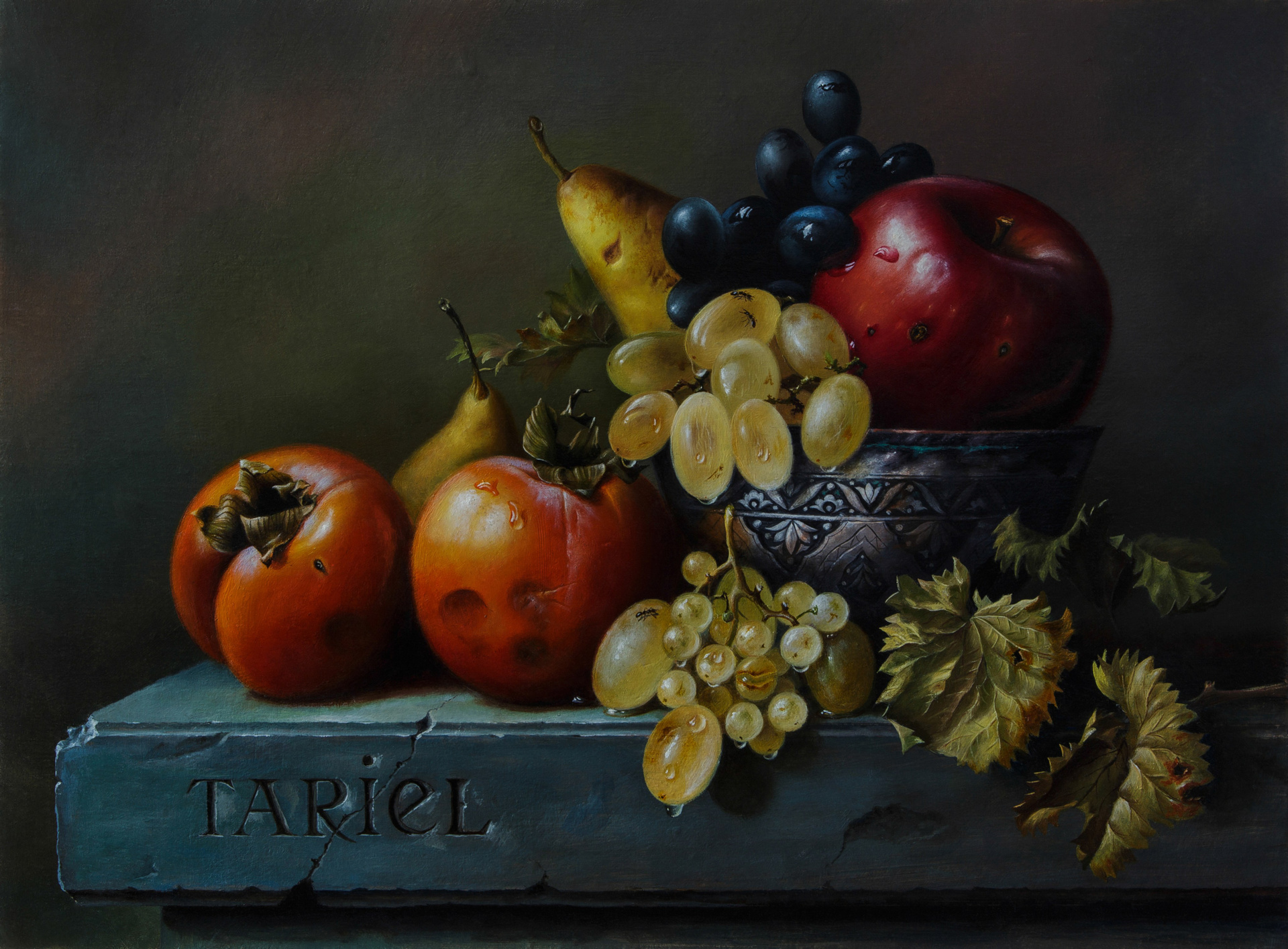
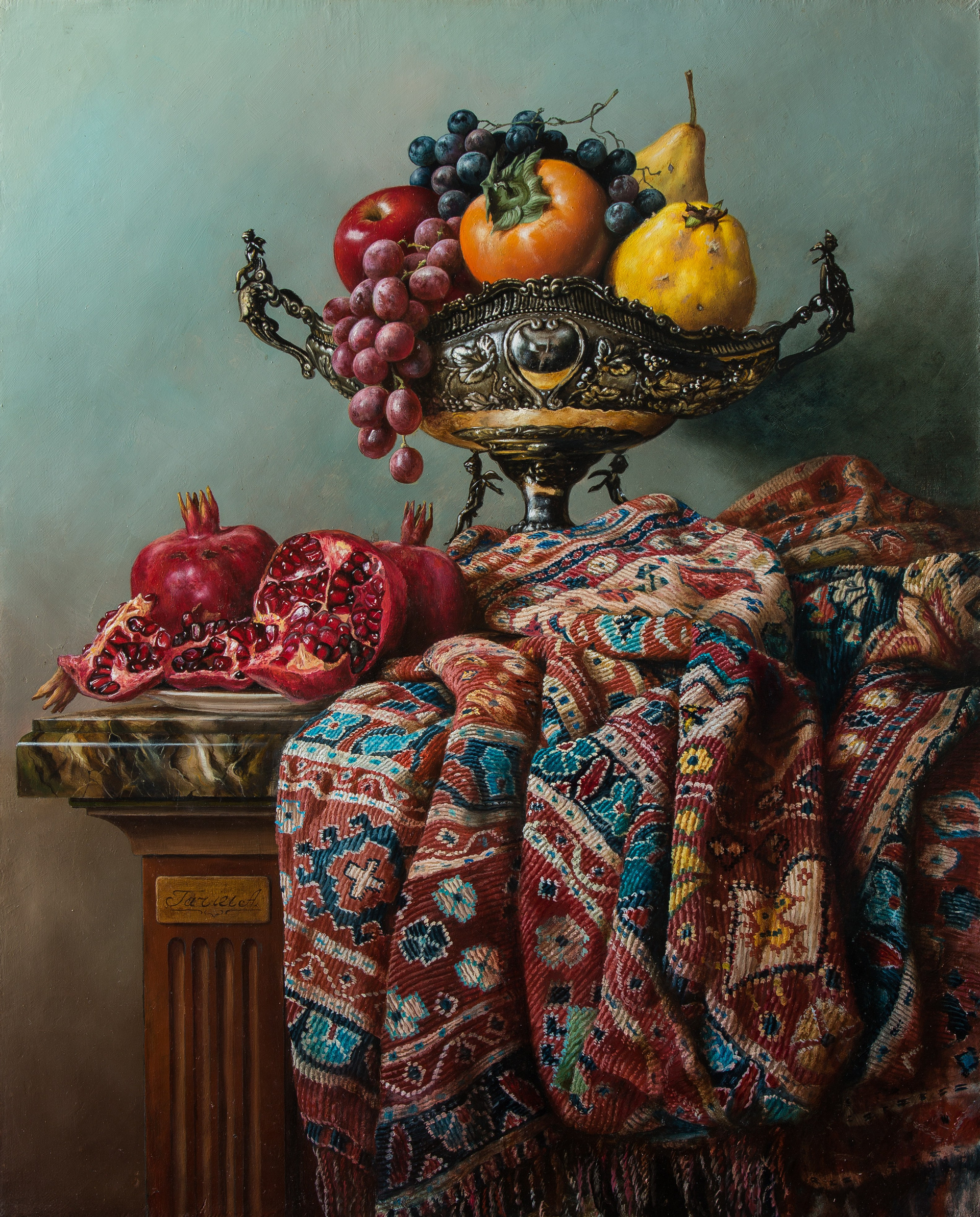
Art Reproduction Photography is the craft of capturing an artist’s work in the most accurate way possible — preserving its color, form, and texture without loss.
This is not just “taking a photo” — it is the visual rebirth of the artwork.
Professional reproduction photography must ensure:
✔️ 99% accurate color retention
✔️ Visible texture, brushstrokes, and surface details
✔️ Zero distortion in shapes or proportions
✔️ True representation of tonal transitions and lighting harmony
This field has become highly demanded in recent years because artists, galleries, and collectors require perfectly accurate documentation.
2. Why Is It Necessary? (Main Reasons)
2.1. Archiving
A complete, professional archive of the artist’s body of work is created.
Accurate reproductions are essential for future exhibitions, books, catalogs, and documentation.
2.2. Catalogs & Portfolios
Galleries, museums, and collectors require 100% accurate photographs for catalogs and official databases.
2.3. Sales & Online Platforms
Buyers often choose artwork from a screen.
The photo must reflect the artwork exactly to build trust and encourage purchase.
2.4. Exhibitions & Print Materials
High-resolution images (hi-res) are necessary for banners, brochures, books, magazines, posters, and print materials.
2.5. The Artist’s Visual Brand
High-quality presentation strengthens the artist’s professional image and brand identity.
3. How Should Art Reproduction Be Photographed? (Professional Technical Approach)
3.1. Lighting
Every part of the artwork must receive equal light.
Asymmetric lighting causes tonal shifts and color inaccuracy.
Recommended lighting setup:
• Even, soft lighting with softboxes
• Natural light can be used but must be controlled
• Additional artificial light when necessary
• Reflectors for balancing the light
Golden rule:
➡️ No part of the artwork should appear brighter or darker than another.
3.2. Camera & Lens Choice
Lenses must have no distortion, such as:
• 50mm — 85mm prime lenses
• Macro lenses for enhanced texture detail
The distance between camera and artwork must be correct to prevent edge deformation.
3.3. The Camera Must Be at a Perfect 90° Angle
The artwork must be perfectly parallel to the camera sensor.
Otherwise, the result may include:
• Perspective distortions
• Shape deformation
• Compressed edges
I always use measurement tools and grid alignment to maintain a perfect shooting angle.
3.4. Color Accuracy
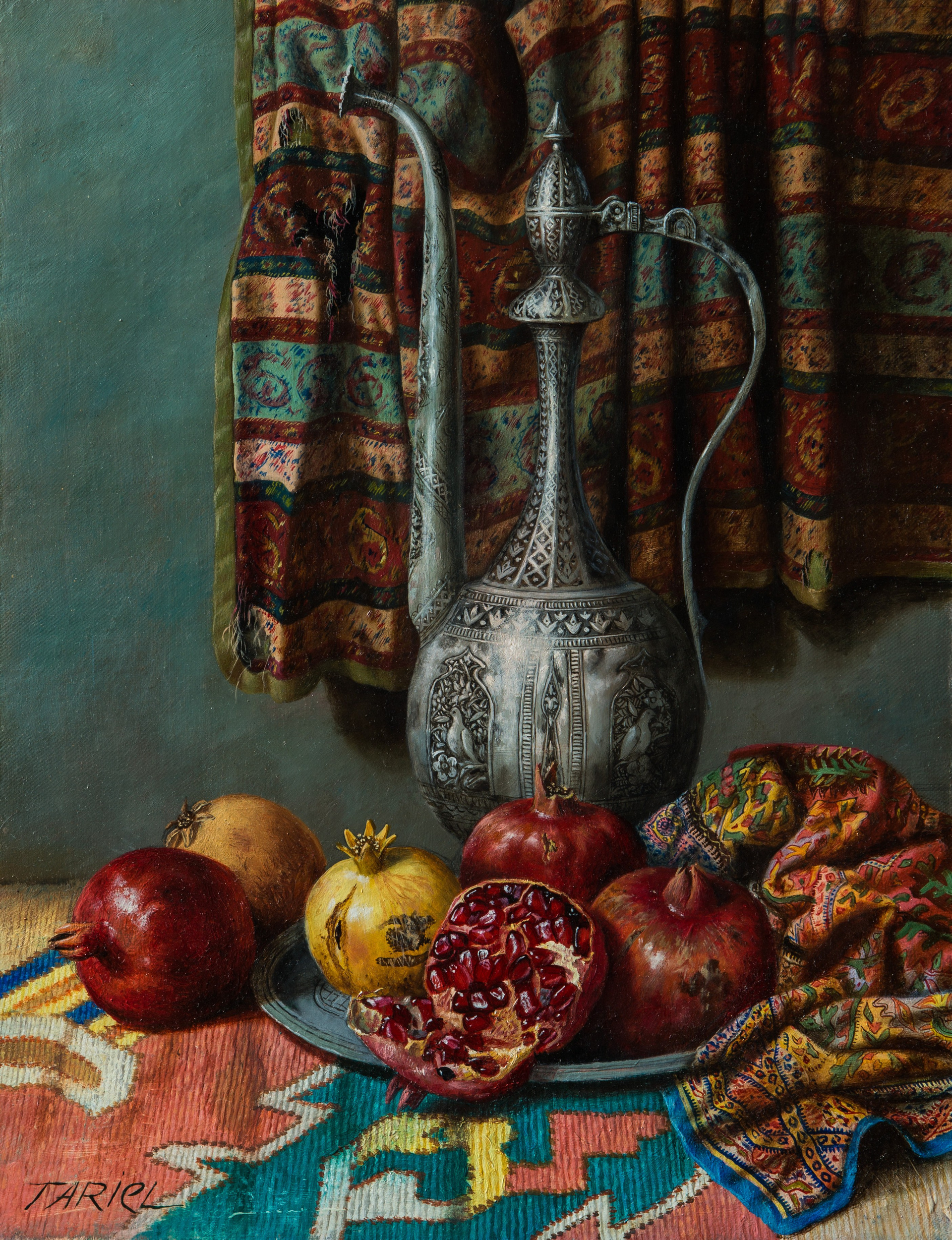
Color accuracy is the most important aspect of reproduction.
For this, I use:
• Color checker (for calibration)
• Perfectly set white balance
• Color-correct editing based on the original artwork
For artists, this is critical — I always ensure maximum color fidelity.
3.5. Texture & Brushstroke Visibility
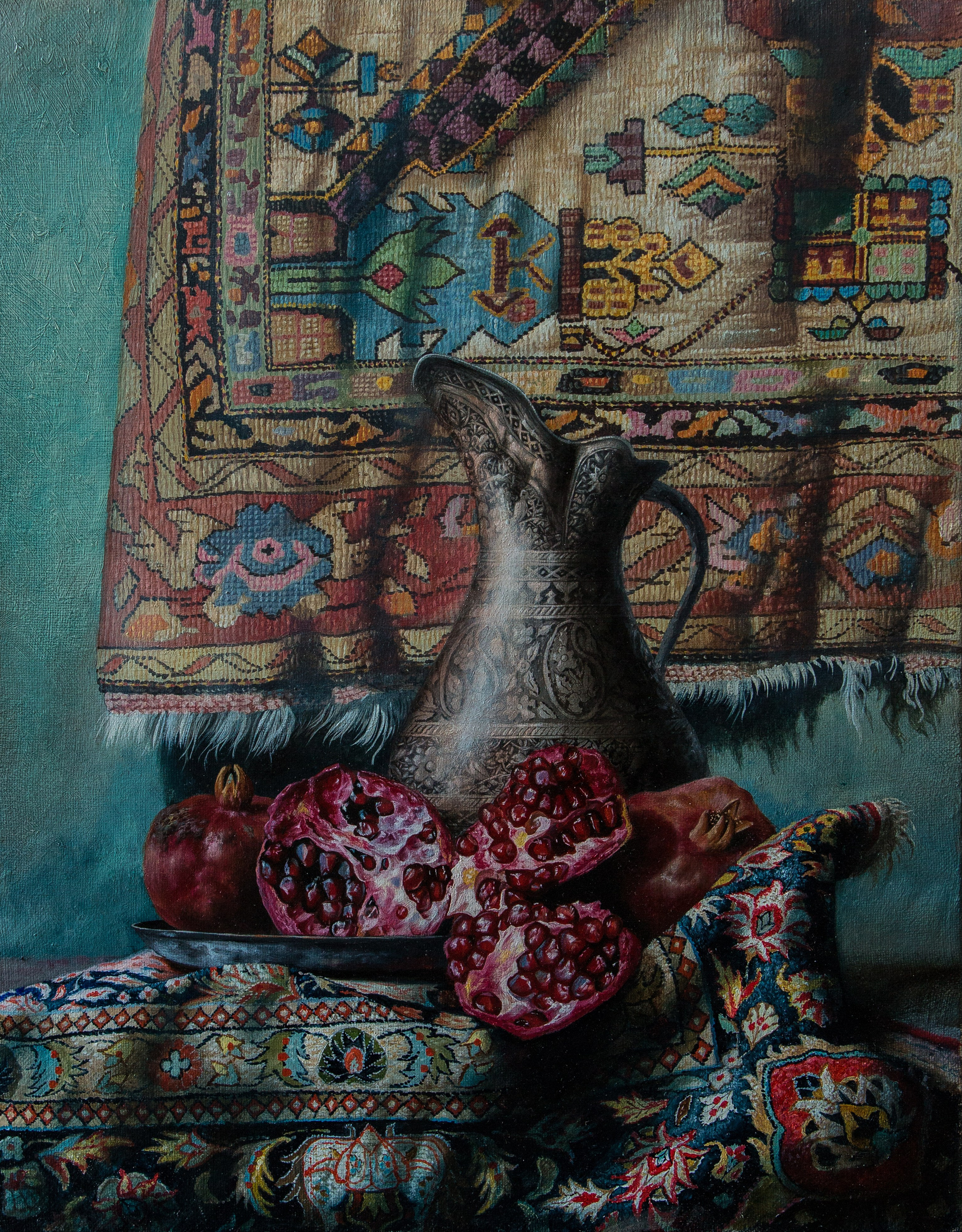
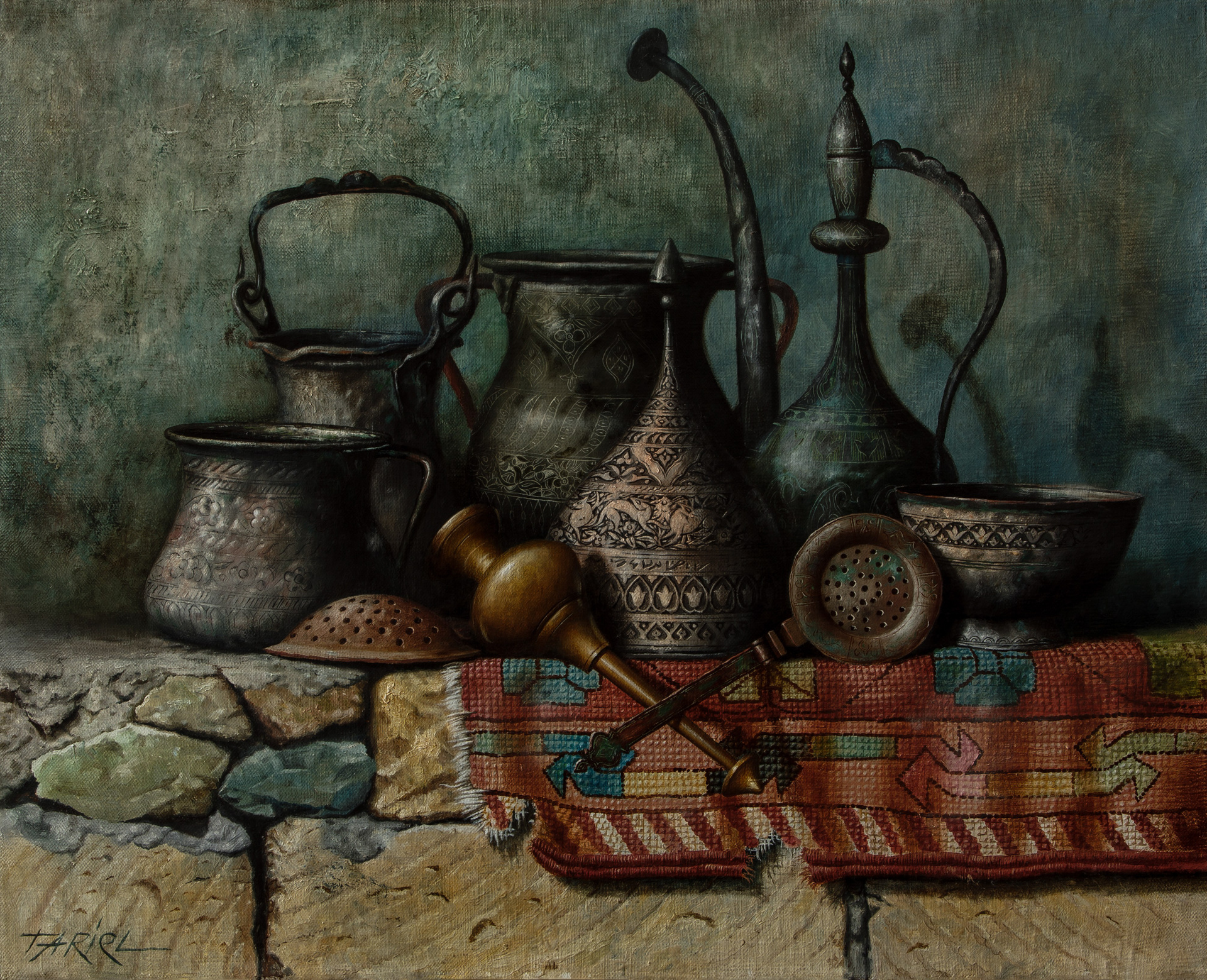
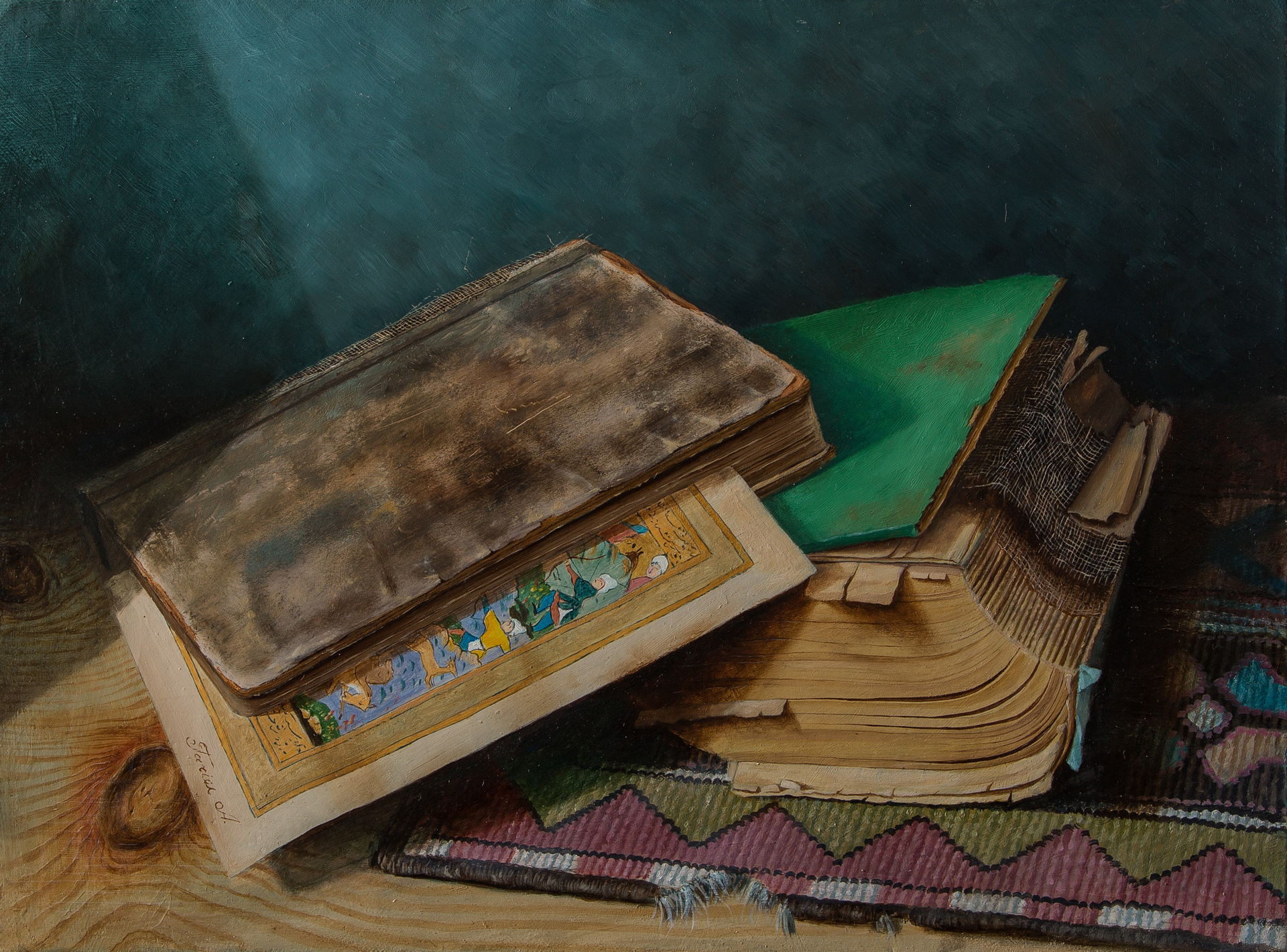
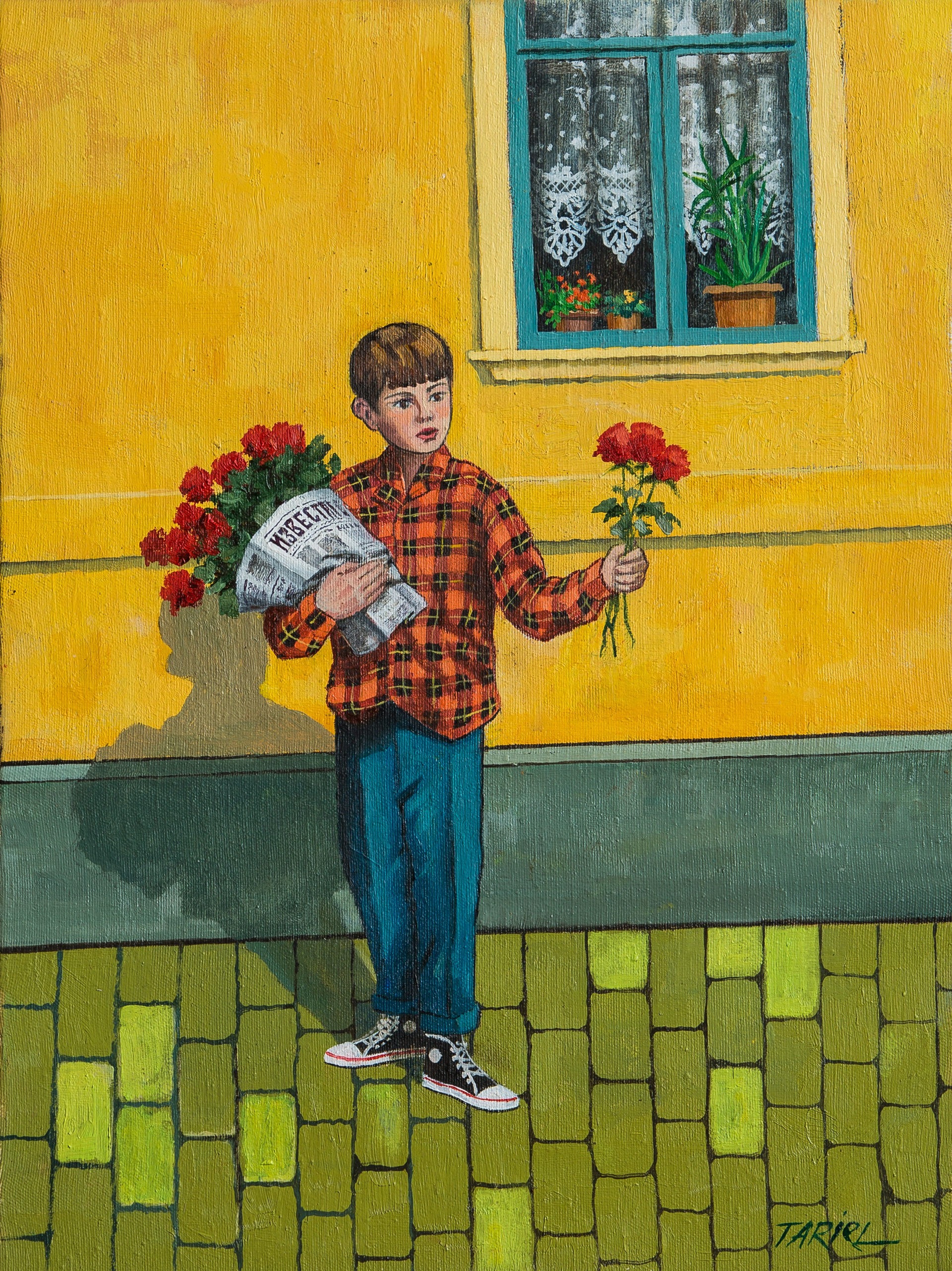
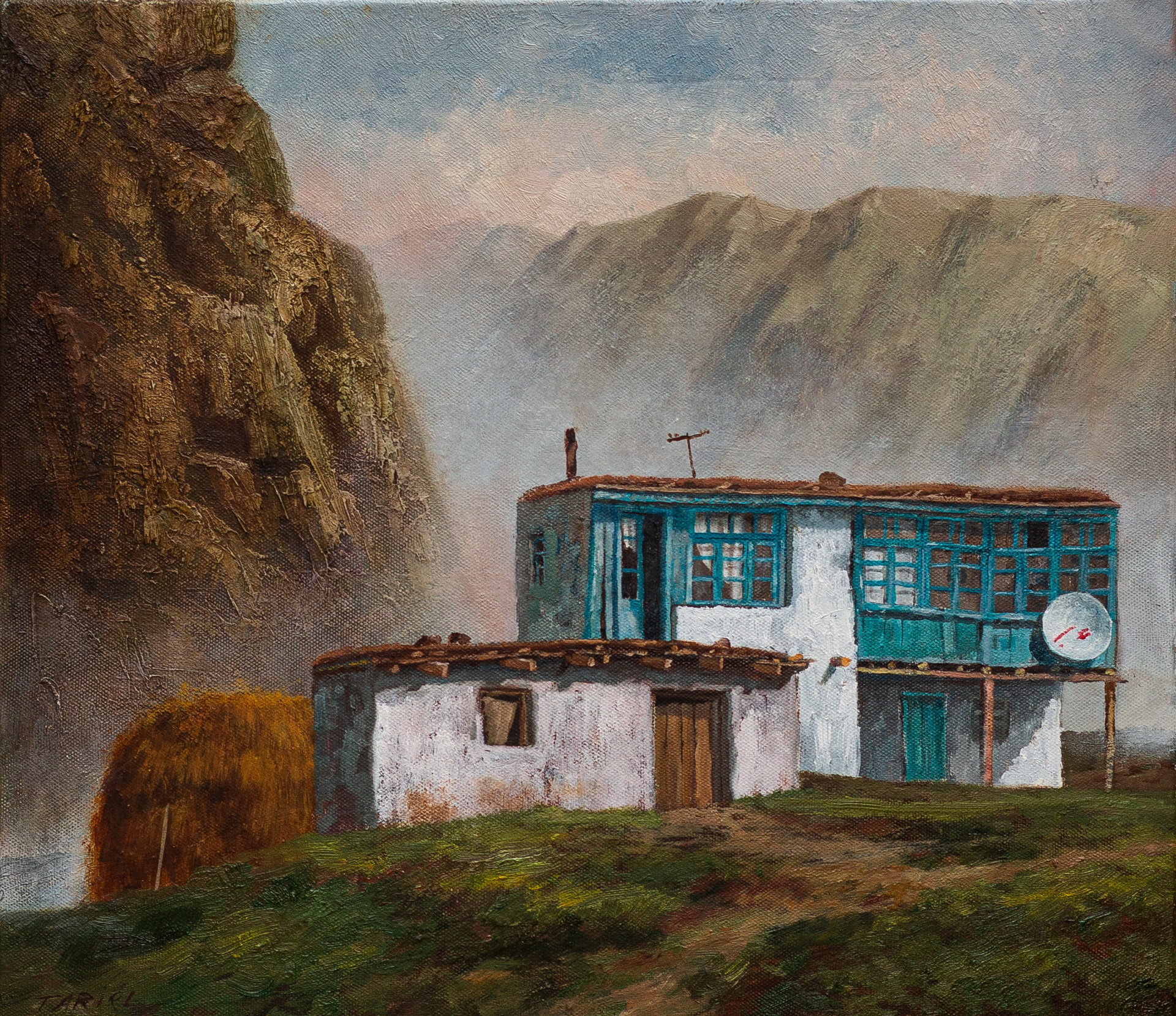
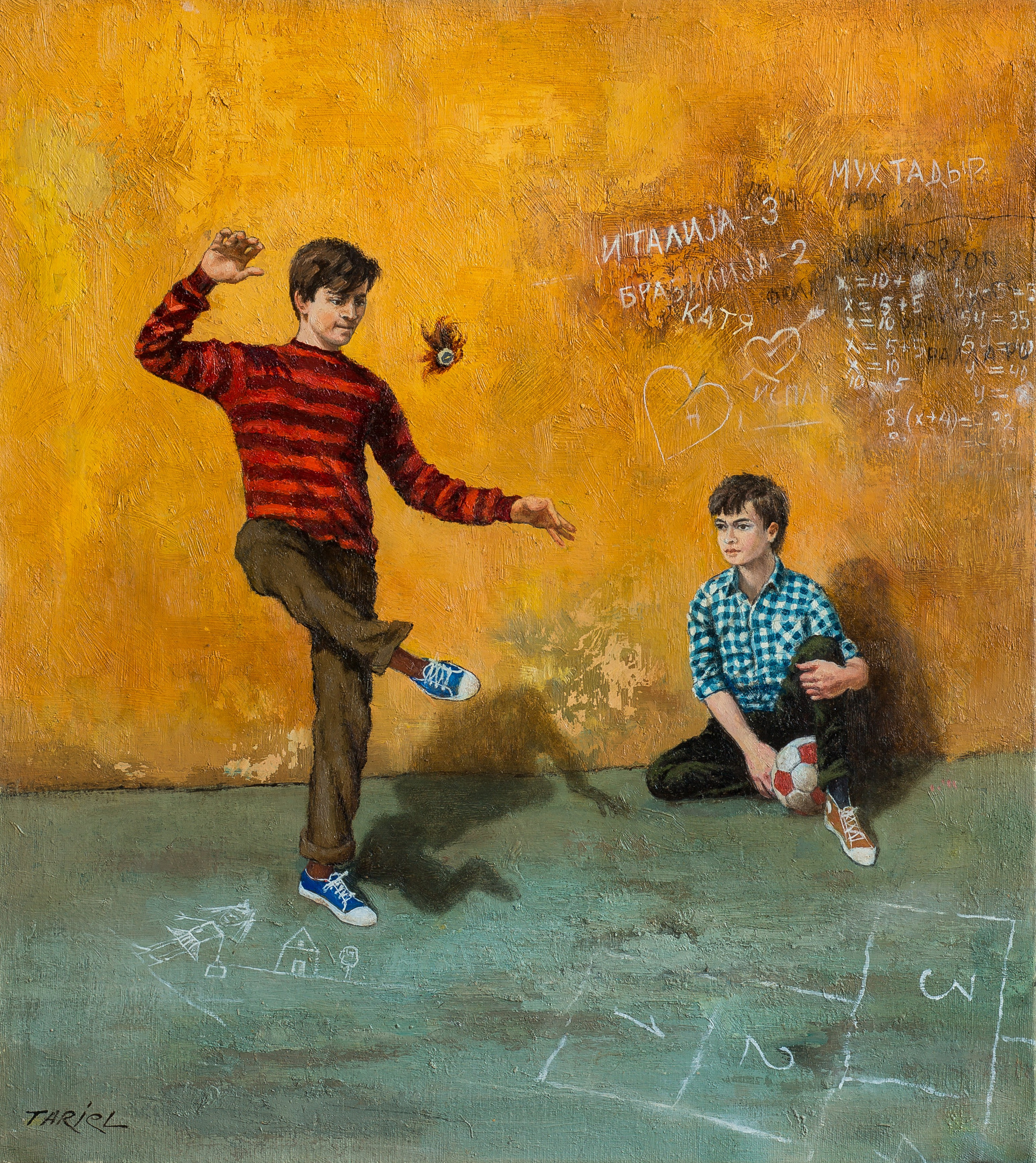
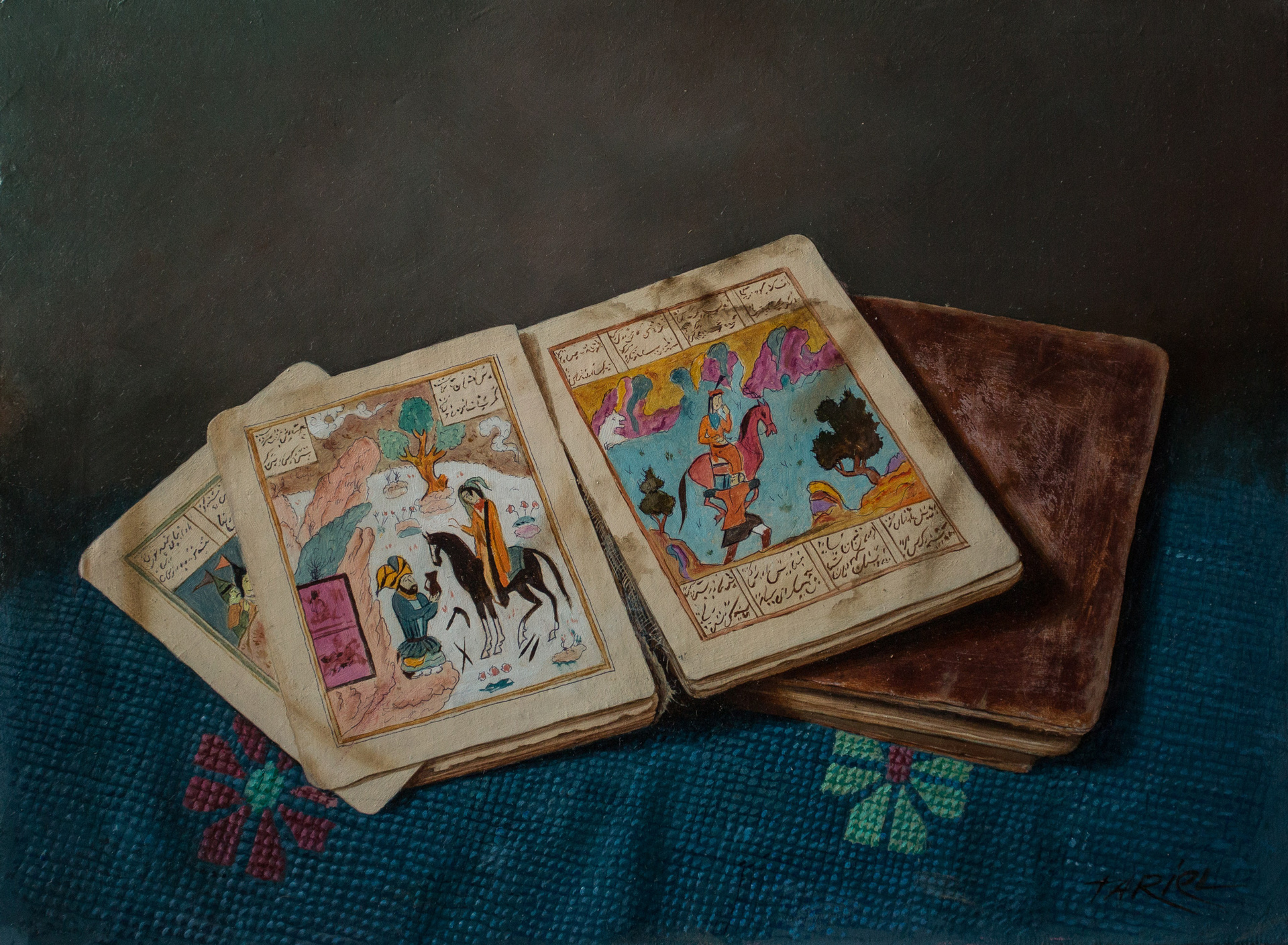
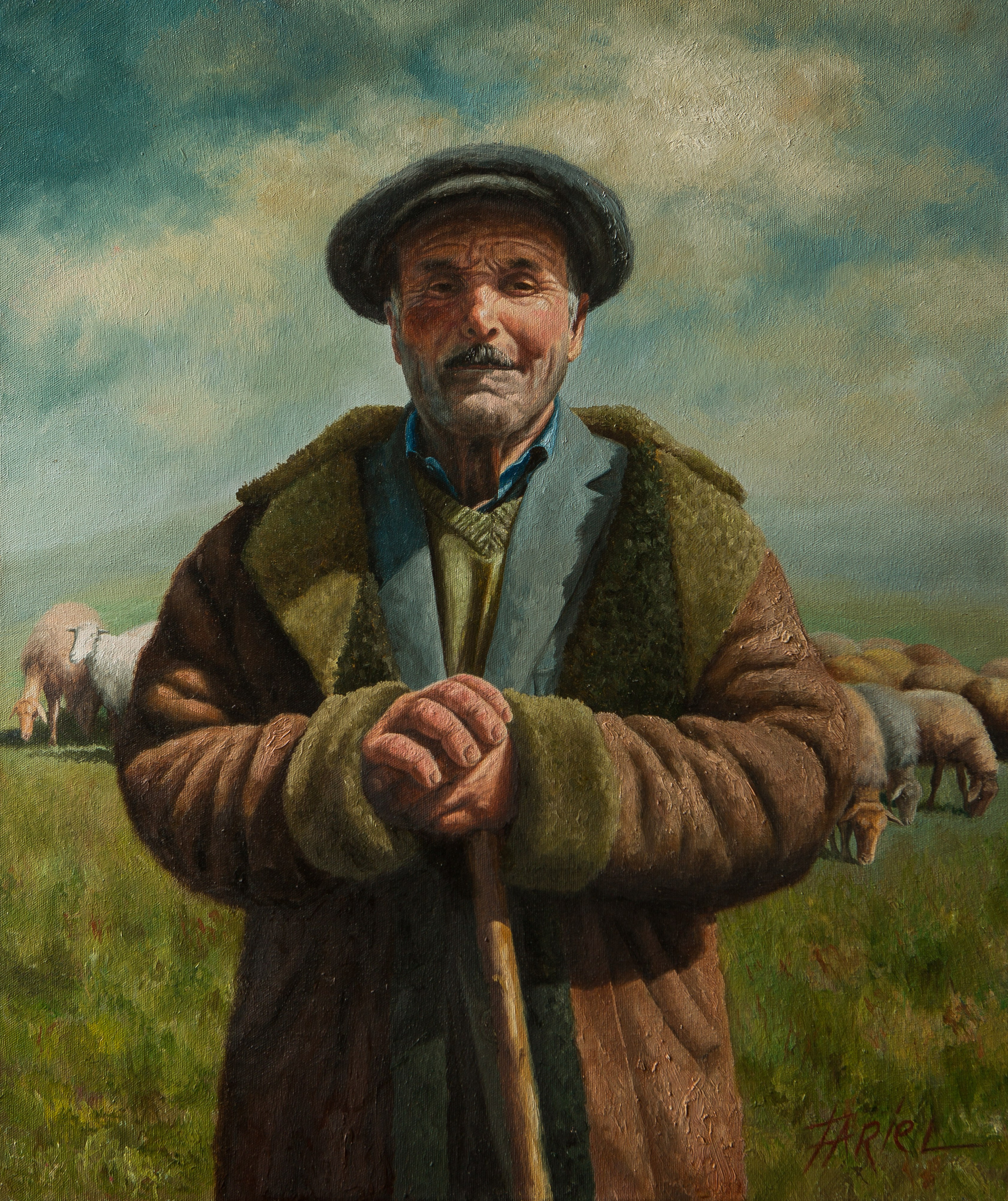
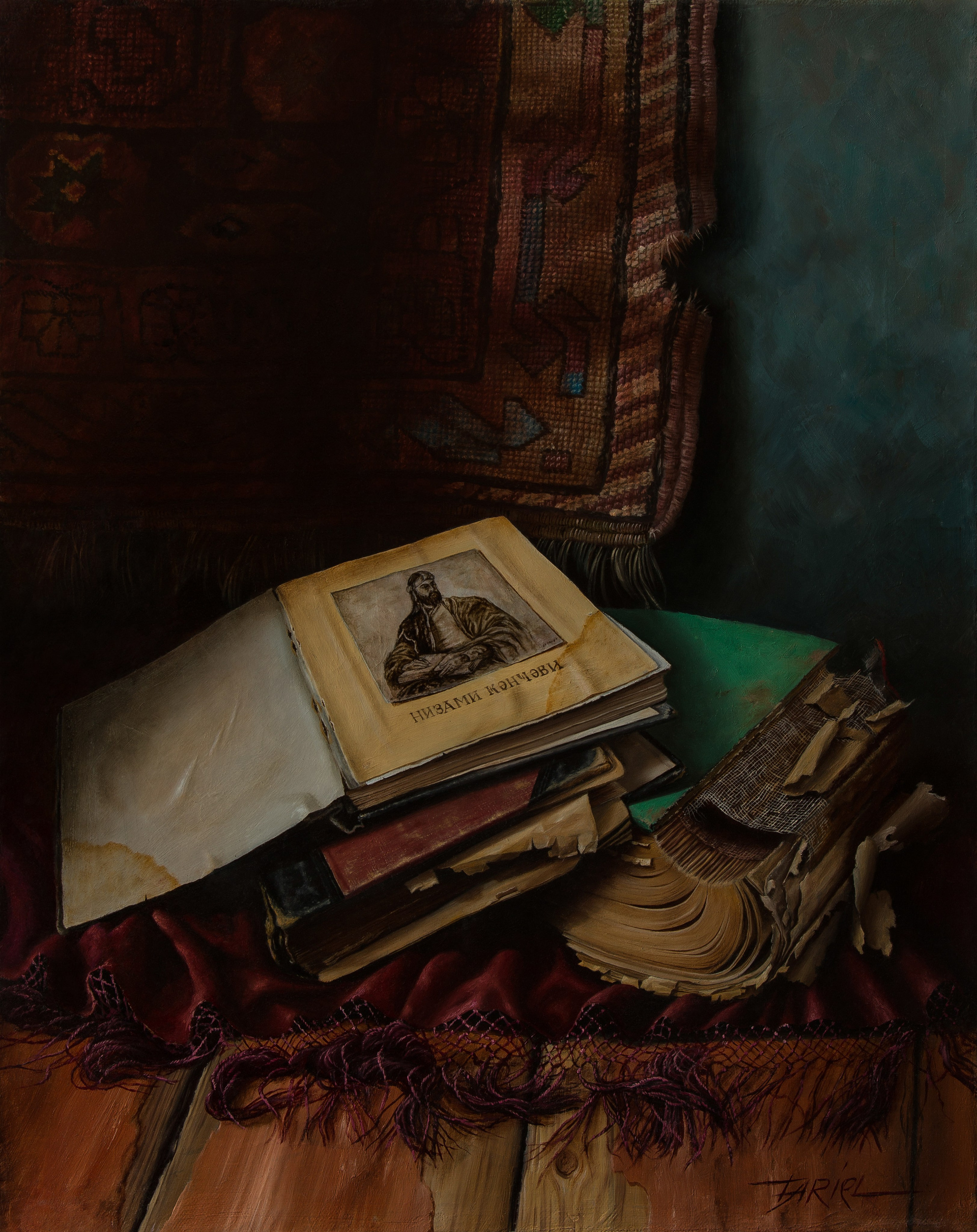
If an artwork has impasto, thick paint layers, or textured surfaces, they must be visible.
I achieve this through:
• Side, directional light
• Macro detail shots
• Balanced shadow–highlight control
This preserves the artwork’s physical depth and artistic character.
3.6. Editing (Retouching)
Editing is performed only for technical cleaning.
I do NOT:
✔️ Change colors
✔️ Alter brushstrokes
✔️ Modify the artwork’s natural appearance
I ONLY:
✖️ Remove dust particles, unwanted reflections, or small external imperfections
No artistic element is touched — only clarity and accuracy are improved.
4. My Working Method
(Written in your personal style)
When photographing artwork, my goal is not just to “capture an image” — but to recreate the artwork’s energy, texture, and color atmosphere in digital form.
During the shoot:
✔️ I use high-resolution cameras ideal for printing
✔️ Choose distortion-free lenses
✔️ Balance lighting perfectly across the surface
✔️ Apply texture lighting to reveal every detail
✔️ Keep color accuracy at 100%
✔️ Retouch minimally and only for technical cleaning
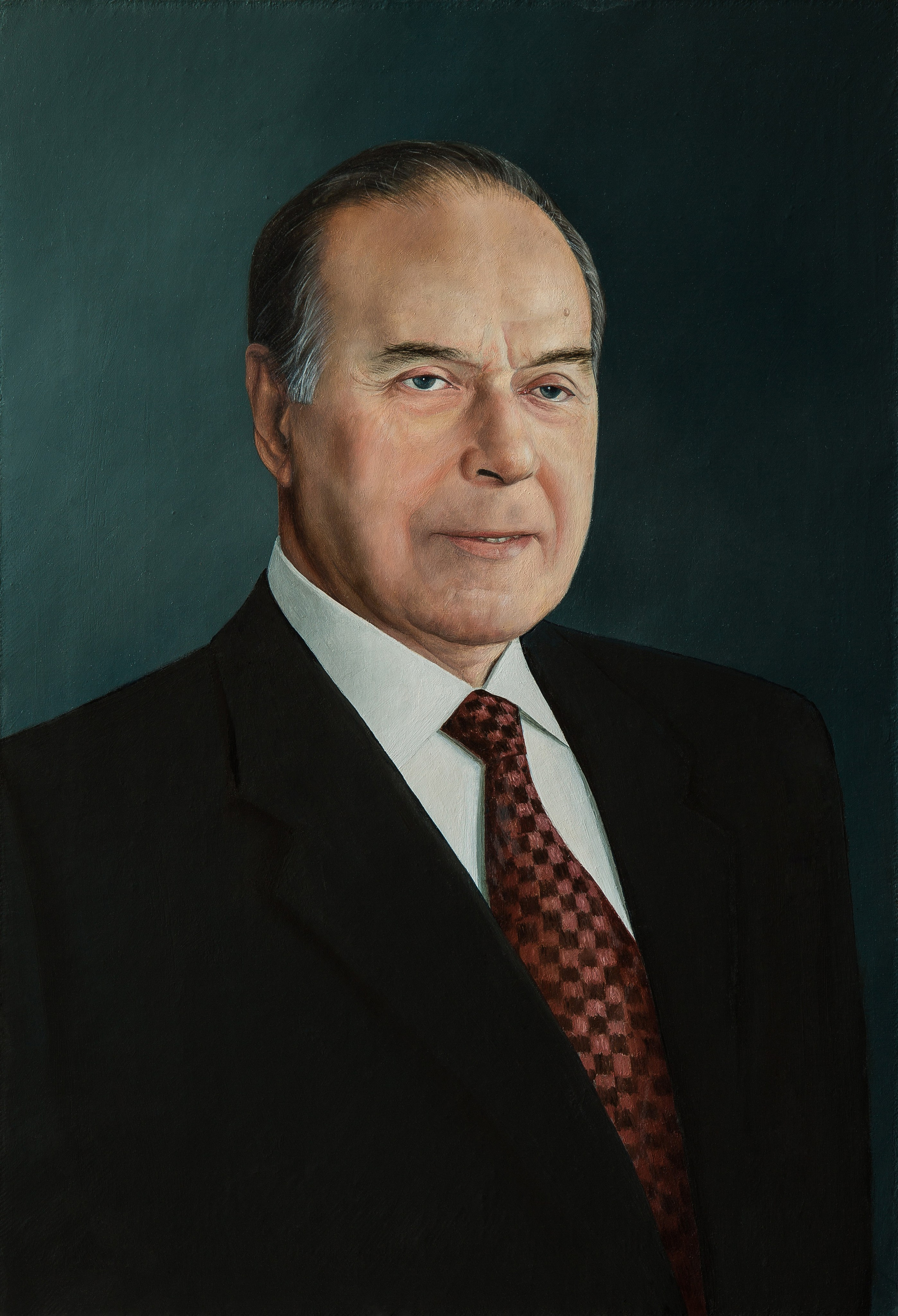
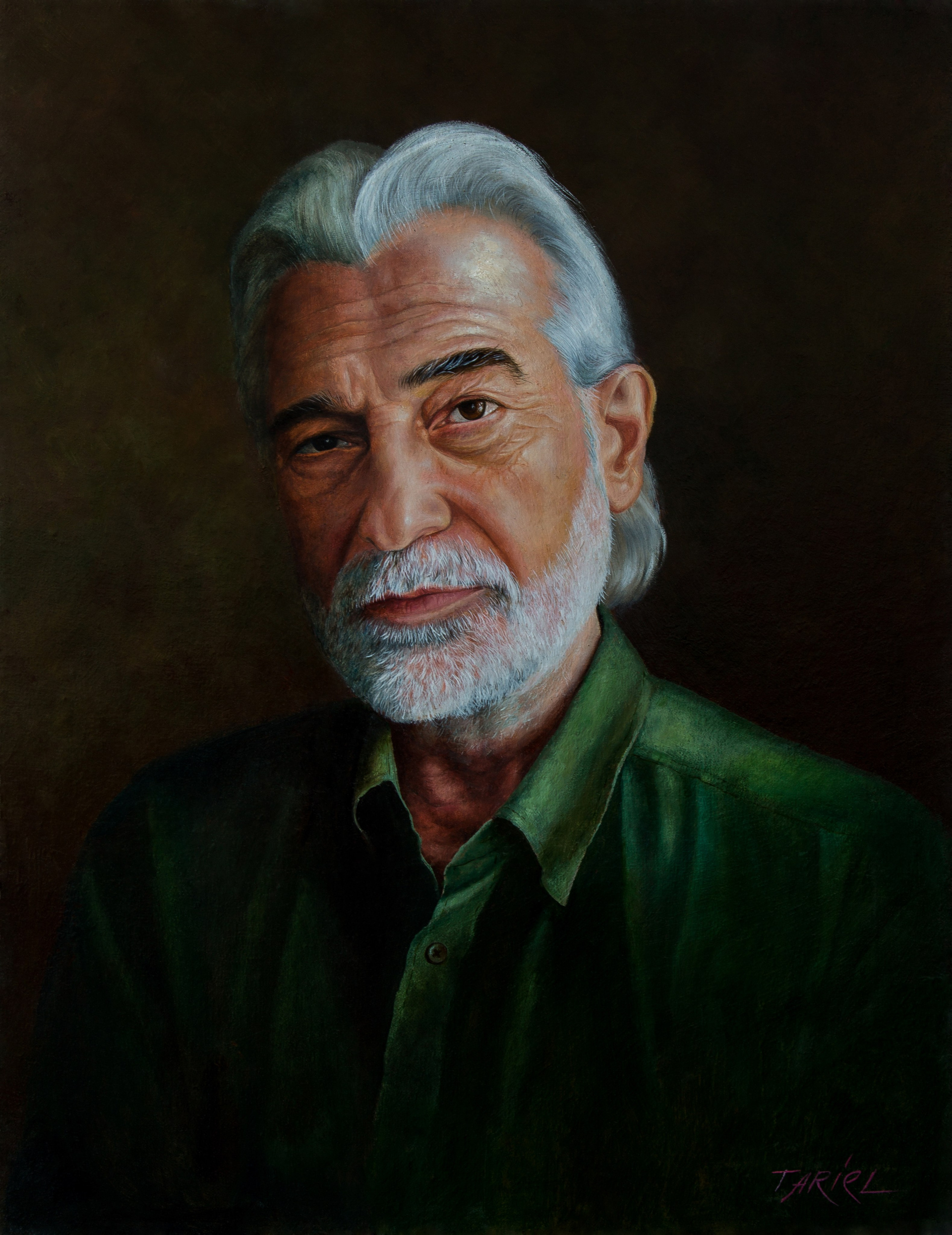
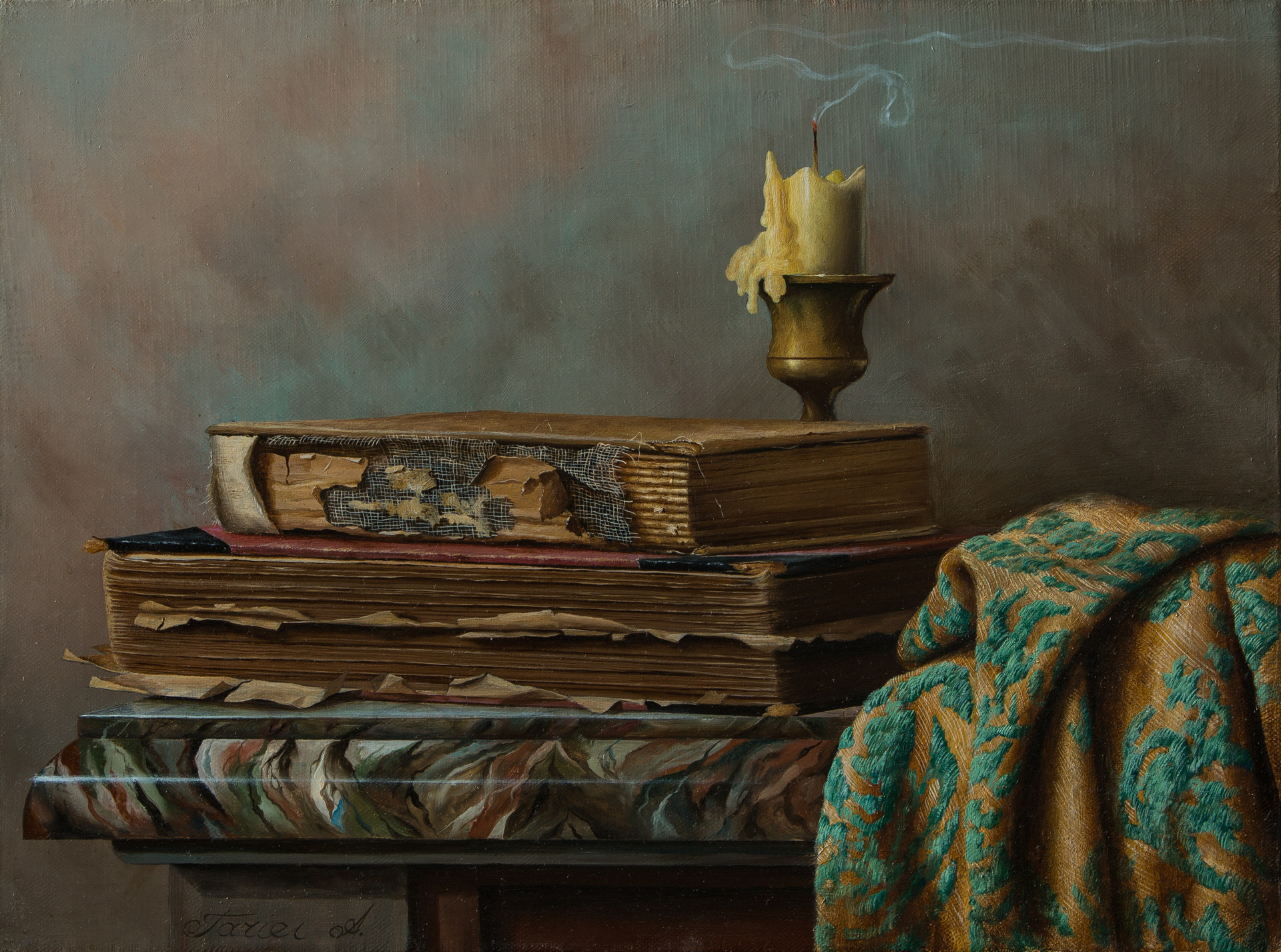
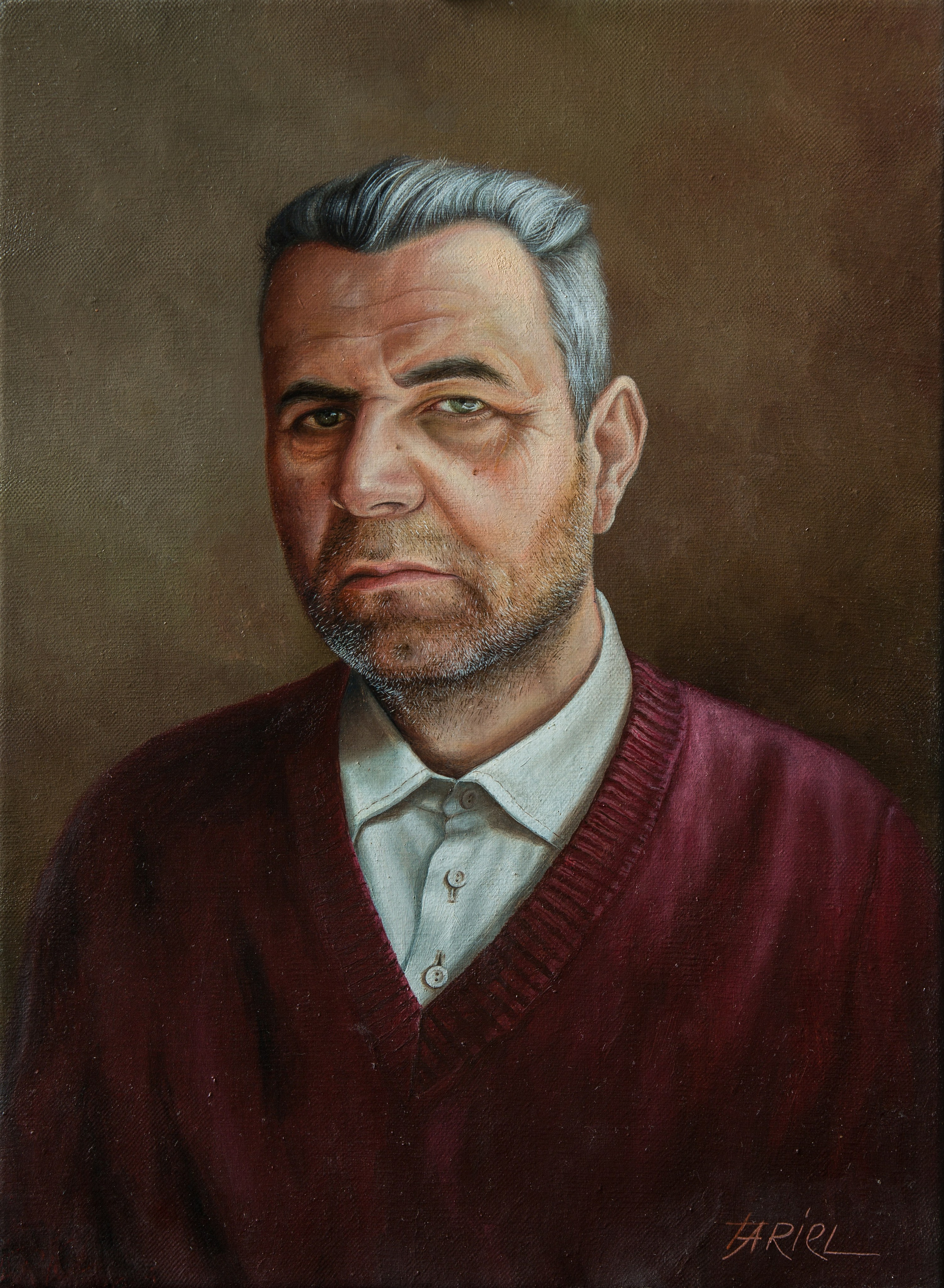
Whether the artwork is still life, portrait, or landscape, my approach remains equally precise and professional.
5. Conclusion
Art Reproduction Photography is essential for the proper documentation, presentation, and sale of an artist’s work.
Through professional technique, the artwork’s:
color
form
lighting harmony
texture
are fully preserved.
Blog
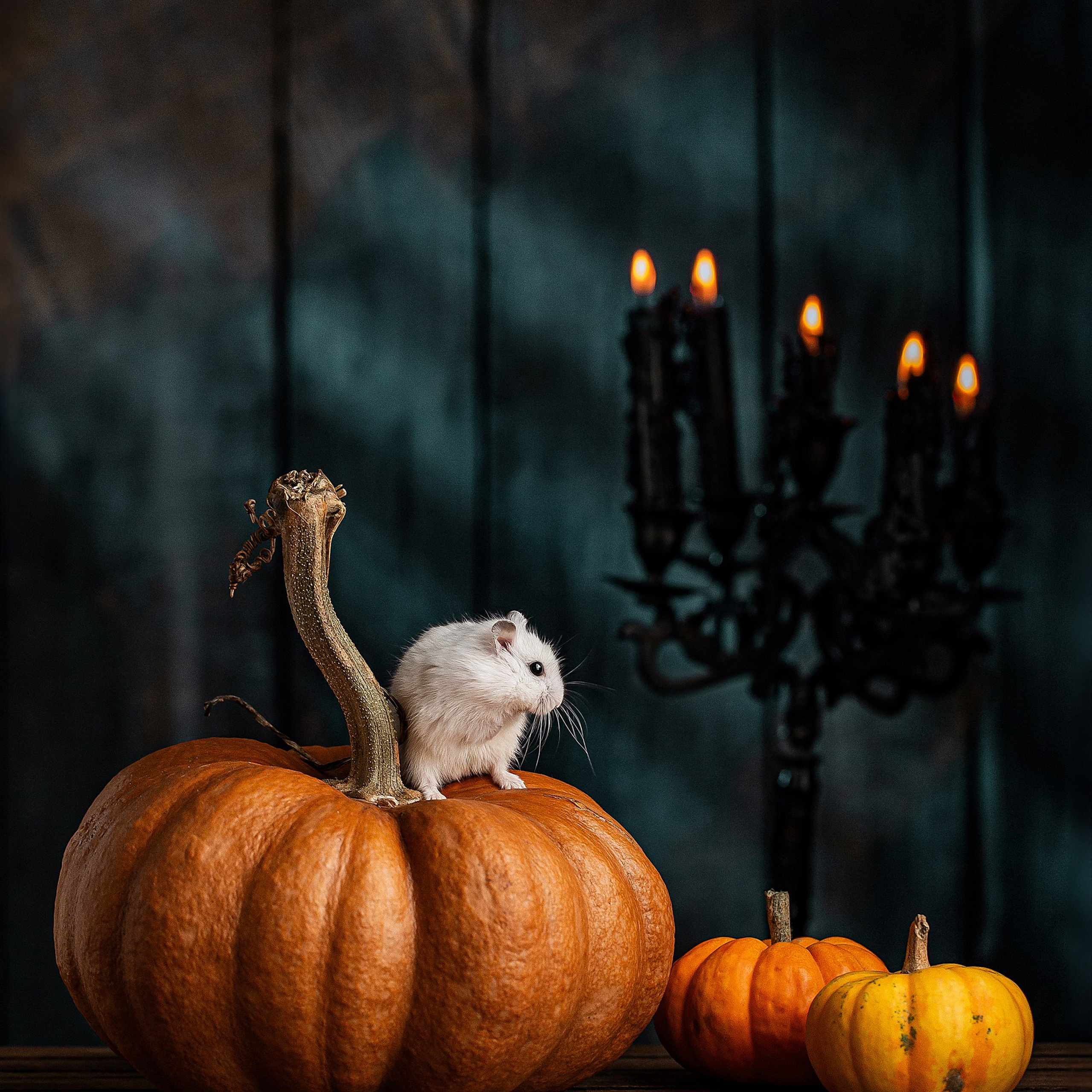
The Anatomy of the Visual — #6: Jungar Hamster and Pumpkins — A Living Still Life



Disposable Food Packaging Photography

Eyewear Photography
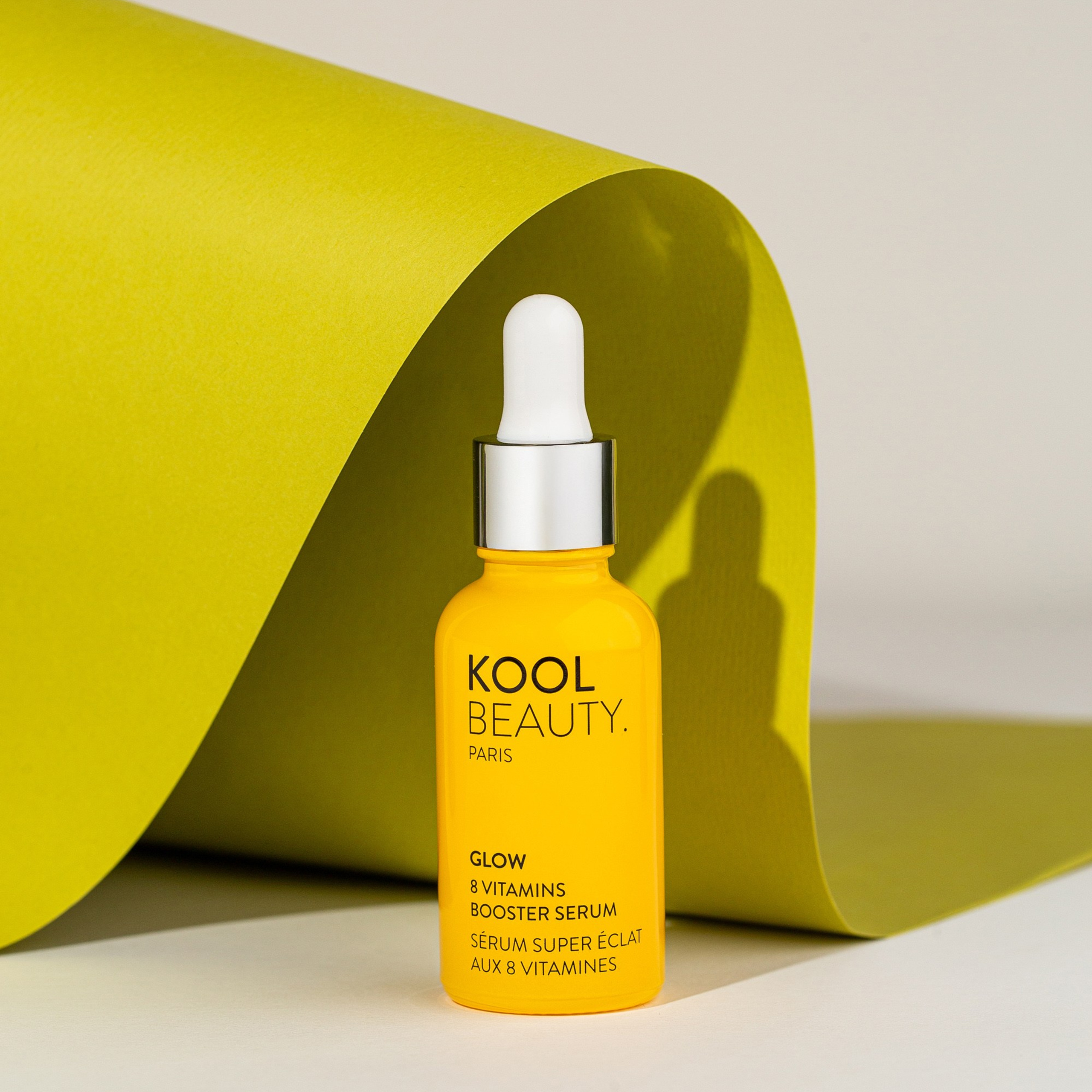
Glass Product Photography

How to Take Stunning Photos of Books, Journals, and Publishing Products
7 Tips for Taking Amazing Product Photos
Macro Product Photography
Lifestyle Photography
Creative and Conceptual Photography
Food and Beverage Photography